
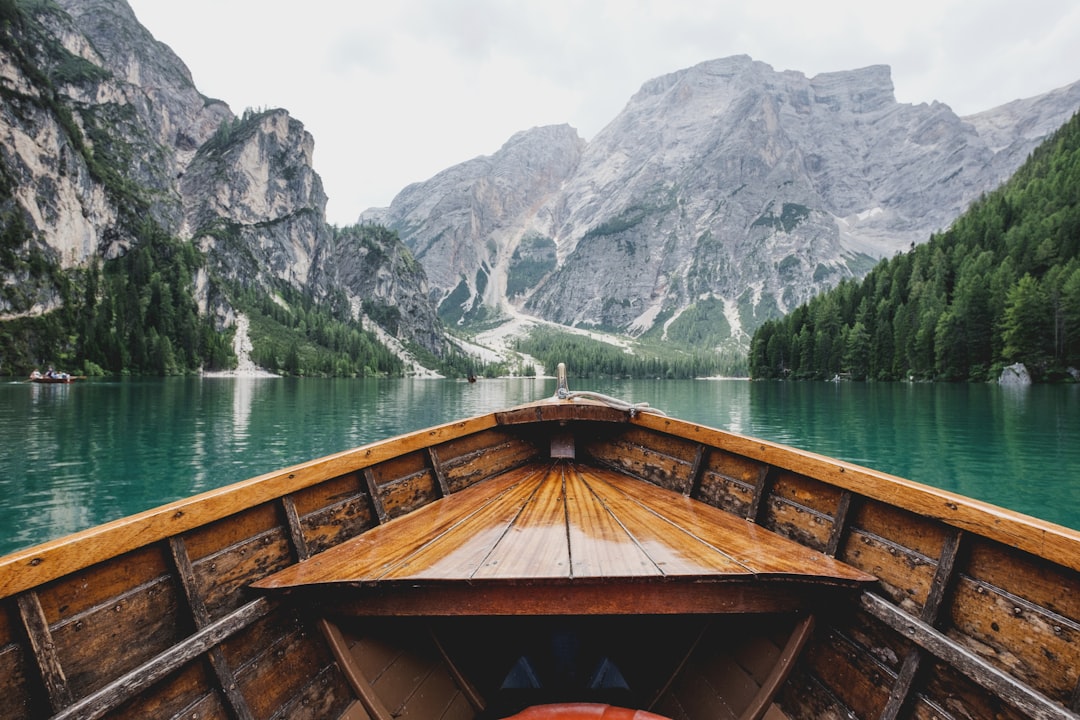
In our fast-paced world, where instant gratification reigns supreme, the concept of slow travel emerges as a refreshing antidote. It’s not merely about the destination but the myriad experiences and connections made along the way. As travelers, we often find ourselves racing through bucket lists, snapping pictures, and moving on before truly immersing ourselves in the local culture. But what if we chose to linger a little longer, to savor the sights, sounds, and tastes?
Slow travel encourages us to pause, explore, and truly engage with the environment around us. Imagine wandering through the cobblestone streets of an ancient village, where every turn reveals a story. You might stumble upon a family-run bakery that has been in operation for generations, the aroma of fresh bread wafting through the air. Instead of just grabbing a quick snack and moving on, you sit down with the baker, learning about the traditional methods passed down through the years. This is the essence of slow travel—cultivating meaningful experiences.
Budget-Friendly Slow Travel Tips:
1. **Choose Off-Peak Seasons**: Traveling during the off-peak times can save you a significant amount on flights and accommodation. Plus, you’ll enjoy fewer crowds and a more authentic experience.
2. **Utilize Local Transport**: Instead of renting a car or relying on expensive tours, embrace local transport like buses, bikes, or even walking. It’s a great way to connect with the landscape and locals.
3. **Stay in One Place Longer**: Instead of hopping from city to city, settle in a single location for a week or two. This allows you to explore your surroundings more deeply, discover hidden gems, and often, accommodations become cheaper with longer stays.
4. **Cook Your Own Meals**: If your accommodation allows, take the opportunity to shop at local markets and cook your own meals. Not only will this save money, but it will also give you a chance to engage with local food culture.
Embracing the Philosophy of Slow Travel:
As you begin to slow down, you’ll notice that travel becomes less about ticking off experiences and more about enriching your life. There’s a certain psychological comfort in immersing yourself in a single locale. You’ll begin to recognize patterns in the daily life of the locals, their routines, and rituals. This fosters a deeper connection and appreciation for the culture you are surrounded by.
Moreover, the benefits of slow travel extend beyond the individual traveler. Engaging with local communities supports their economies and promotes sustainable tourism. You’re less likely to contribute to over-tourism in hotspots when you’re focusing on a specific area. The places you choose to visit often feel the impact of tourism differently; therefore, your decision to embrace slow travel helps in creating a more sustainable relationship between travelers and the destinations they visit.
Inspiration from the Road:
Consider the story of a traveler named Maya, who decided to forgo the conventional two-week European tour. Instead, she chose to spend a month in a small Italian town. By living as a local, she found joy in the simple things: sipping espresso at the same café each morning, participating in community events, and forming friendships with artisans. Her experience not only deepened her understanding of Italian culture but also provided her with a sense of belonging that typical whirlwind trips often lack.
Conclusion:
So, the next time you find yourself planning a trip, consider adopting the slow travel philosophy. Embrace the journey over the destination, and allow yourself to be captivated by the richness of each moment. By savoring the experiences and nurturing connections, you will find that travel transforms into an art form—one that enriches not just your life but also the lives of those you encounter along the way.